How To Choose the Right Enclosed Trailer for Your Business
Width, height, layout, and room to grow matter more than sticker price. How to size an enclosed trailer around the work you actually do every day.
July 17, 2026 · 8 min read
Every business depends on equipment that works as hard as the people using it. Whether you haul tools, race cars, concession equipment, motorcycles, or retail inventory, your trailer needs enough room to support daily operations without creating towing challenges. Choosing a trailer that fits your workload saves time, protects your investment, and makes every trip more productive.
Many buyers focus on price first, yet trailer size often has the biggest impact on long-term satisfaction. A trailer that feels too small after a few months limits growth, while one that exceeds your needs can add unnecessary weight and operating costs. Knowing how to choose the right enclosed trailer for your business starts with understanding how you plan to use it every day.
Your Daily Workload Should Determine Trailer Dimensions
Every business uses trailer space differently. A contractor carries tools, materials, and equipment, while a race team transports vehicles alongside spare parts and workstations. Food vendors require room for cooking equipment, storage, and customer service areas.
Before comparing trailer lengths, think about everything that travels inside the trailer during a normal workday. Consider how much floor space each item occupies and whether employees need room to move around safely.
Many businesses eventually outgrow smaller trailers because they purchase based on current needs instead of future demands. Looking ahead a few years often prevents the need for an upgrade later.
Interior Width Changes How You Use Every Square Foot
Length attracts the most attention during trailer shopping, but width affects usability just as much. For smaller operations, 6-foot-wide enclosed cargo trailers offer an excellent balance between maneuverability and cargo capacity. Landscapers, maintenance crews, mobile repair businesses, and small equipment operators appreciate how easily these trailers travel through neighborhoods, parking lots, and tighter jobsites while still providing enclosed protection for valuable equipment.
Wider trailers create additional space for larger cargo, workbenches, shelving systems, or equipment that requires side clearance. Businesses hauling race cars, concession equipment, or commercial displays frequently benefit from the added room because loading becomes much easier. Choosing the correct width depends less on overall cargo weight and more on how that cargo fits inside the trailer.
Cargo Type Matters More Than Total Weight
Two businesses hauling identical weights may need completely different trailer sizes. Large equipment with awkward dimensions requires additional clearance during loading and unloading. Smaller items stored in cabinets or shelving often fit comfortably inside a shorter trailer with smart organization.
When evaluating your cargo, ask yourself these practical questions:
- How much floor space does the equipment require?
- Will I install shelving, cabinets, or workstations?
- Does the cargo need room for loading ramps?
- Will employees work inside the trailer during the day?
Answering these questions creates a much clearer picture than focusing only on cargo weight.
Future Business Growth Should Influence Your Purchase
Successful businesses rarely stay the same for long. You may add equipment, expand services, hire additional employees, or begin serving more customers. Every one of those changes can increase your storage and transportation needs.
Buying strictly for today's workload sometimes creates tomorrow's limitations. Selecting slightly more space than you currently require provides flexibility without dramatically increasing ownership costs.
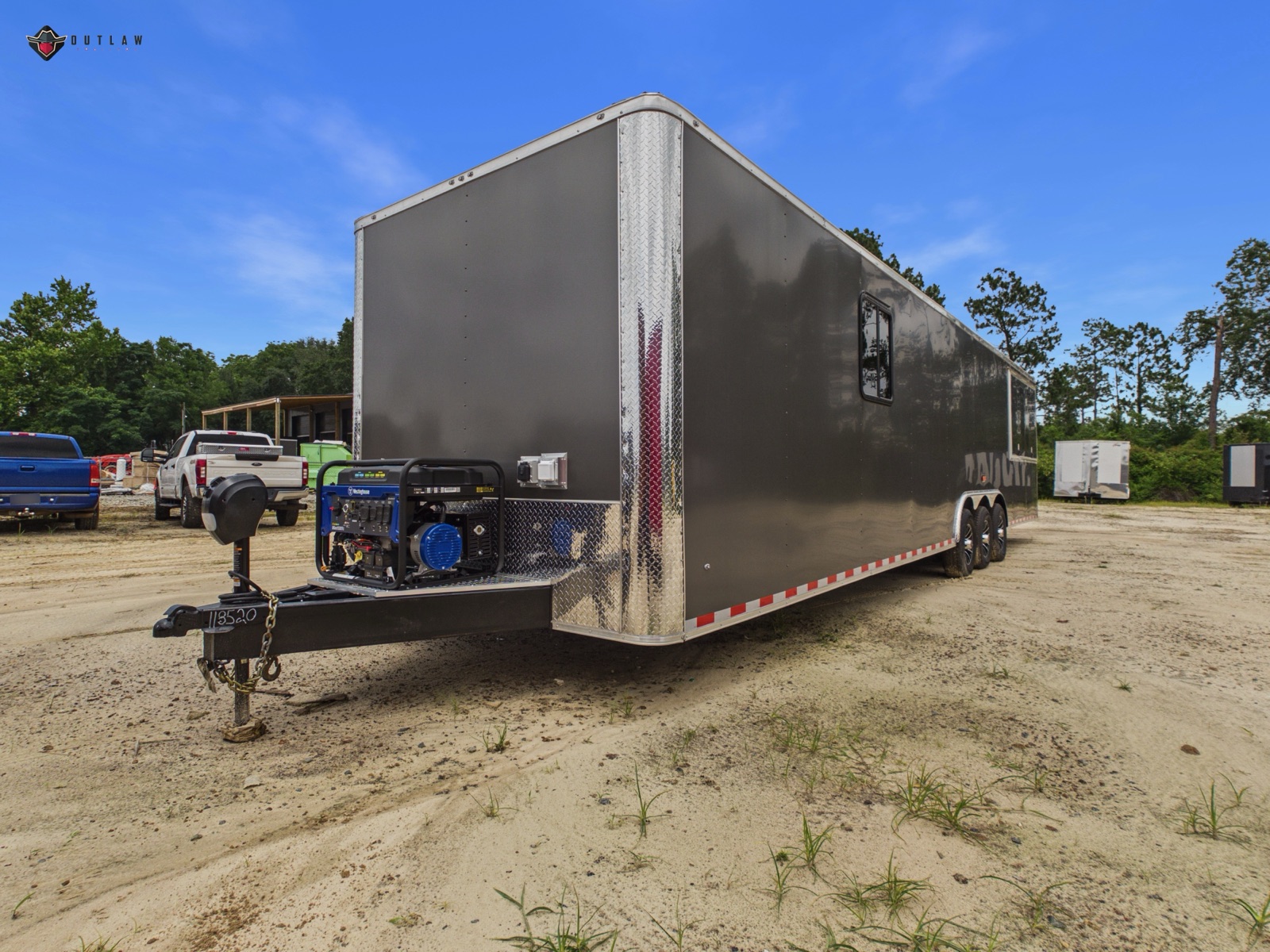
Businesses that invest in custom trailers appreciate having room for future upgrades like cabinets, electrical systems, climate control, generators, water systems, or additional storage. Thinking beyond immediate needs makes it easier to choose the right enclosed trailer for your business while avoiding another purchase sooner than expected.
Trailer Height Can Improve Functionality
Height often receives less attention than length and width, yet it changes how comfortably you use the trailer. Extra interior height creates better working conditions for businesses that spend hours inside their trailers. Mobile service companies, concession operators, pet groomers, and race teams benefit from standing comfortably while performing daily tasks.
Additional height also allows for taller equipment, shelving, and storage systems without creating cramped working conditions. The right ceiling height depends on both the equipment you haul and the people who use the trailer throughout the day.
Towing Capacity Must Match Trailer Size
Every tow vehicle has limits. Selecting a trailer larger than your vehicle can safely handle creates unnecessary wear and reduces overall safety. Before choosing a trailer size, verify your tow vehicle's towing capacity, payload rating, hitch specifications, and braking requirements.
Remember that cargo weight adds to the trailer's empty weight. Equipment, supplies, water tanks, generators, and shelving all contribute to the total load. Matching your trailer to your tow vehicle creates a smoother towing experience and supports dependable performance over many miles.
Custom Features Can Change Your Space Requirements
Many businesses purchase enclosed trailers because they need more than basic cargo transportation. Custom cabinets, electrical wiring, plumbing, air conditioning, sleeping quarters, workbenches, lighting, and specialized storage all consume interior space. Planning these additions early prevents layout problems after construction begins.
At Outlaw Supercenter, we regularly work with businesses that need trailers built around their specific operations. Our custom builds support everything from race-ready trailers to concession units and specialized commercial applications, giving customers practical solutions that fit the way they actually work. Working with experienced trailer builders during the planning process reveals space requirements buyers might not have otherwise considered.
Layout Often Matters More Than Overall Size
A thoughtfully organized trailer frequently outperforms a larger trailer with poor organization. Strategic cabinet placement, proper shelving, tie-down systems, equipment storage, and efficient workstations maximize usable space without increasing trailer dimensions.
Business owners should think about how equipment moves into and out of the trailer throughout the day. An efficient layout reduces loading time, improves workflow, and minimizes lifting. Custom floor plans create better results because they reflect real-world business operations instead of generic storage needs.
Work With Experienced Trailer Professionals
Buying an enclosed trailer represents an investment in your business's future. Taking time to evaluate your cargo, daily operations, towing vehicle, and long-term goals leads to a trailer that serves your business for many years.
No two businesses operate exactly alike, which makes personalized recommendations especially valuable. An experienced trailer builder can explain available sizes, custom options, and layouts that match your specific industry instead of offering a one-size-fits-all recommendation.
At Outlaw Supercenter, we believe every customer deserves a trailer built around their work, their goals, and their budget. We build dependable enclosed trailers for race teams, concession businesses, contractors, mobile businesses, and countless other industries across the country. If you're ready to find the right trailer size for your operation, give us a holler. We'll work with you every step of the way to build a tough, reliable trailer that's made to last.
Frequently Asked
What size enclosed trailer does a small business need?+
Start with what travels inside during a normal workday and how much floor space each item takes. For smaller operations, 6-foot-wide trailers balance maneuverability and capacity well for landscapers, maintenance crews, and mobile repair businesses.
Should I size the trailer for today or for growth?+
Buy for growth. Businesses that purchase strictly for current workload often outgrow the trailer, and selecting slightly more space adds flexibility without dramatically raising ownership costs.
Does trailer height matter for business use?+
It does if people work inside. Extra interior height lets mobile service companies, concession operators, pet groomers, and race teams stand comfortably, and it makes room for taller equipment and shelving.
Is a bigger trailer always better?+
No. A well-organized trailer often outperforms a larger one with poor layout. Strategic cabinets, shelving, tie-downs, and workstations maximize usable space without adding dimensions or towing weight.
Ready to roll?
200+ trailers in stock in Douglas, GA. Financing for all credit types.