A First-Time Buyer's Guide to Custom Enclosed Cargo Trailers
Size, layout, construction, towing capacity, and custom options all shape how well a trailer fits your work. Here is what to weigh before you buy your first one.
August 2, 2026 · 9 min read
Buying your first enclosed cargo trailer comes with a lot of decisions. Size, layout, construction materials, towing requirements, and customization options all affect how well a trailer fits your needs. While many buyers focus on price first, long-term value often depends on choosing the right trailer from the start.
A custom enclosed cargo trailer offers flexibility that standard models cannot match. Whether you plan to haul race cars, motorcycles, tools, concession equipment, or business inventory, a custom build allows you to create a trailer that works for your specific application. This first-time buyer's guide to custom enclosed cargo trailers explores the fundamentals so you can make the process much easier and avoid costly mistakes.
Your Intended Use Determines Your Buying Decision
Before looking at trailer sizes or options, identify exactly how you plan to use the trailer. Different applications require different layouts, weight capacities, and interior features.
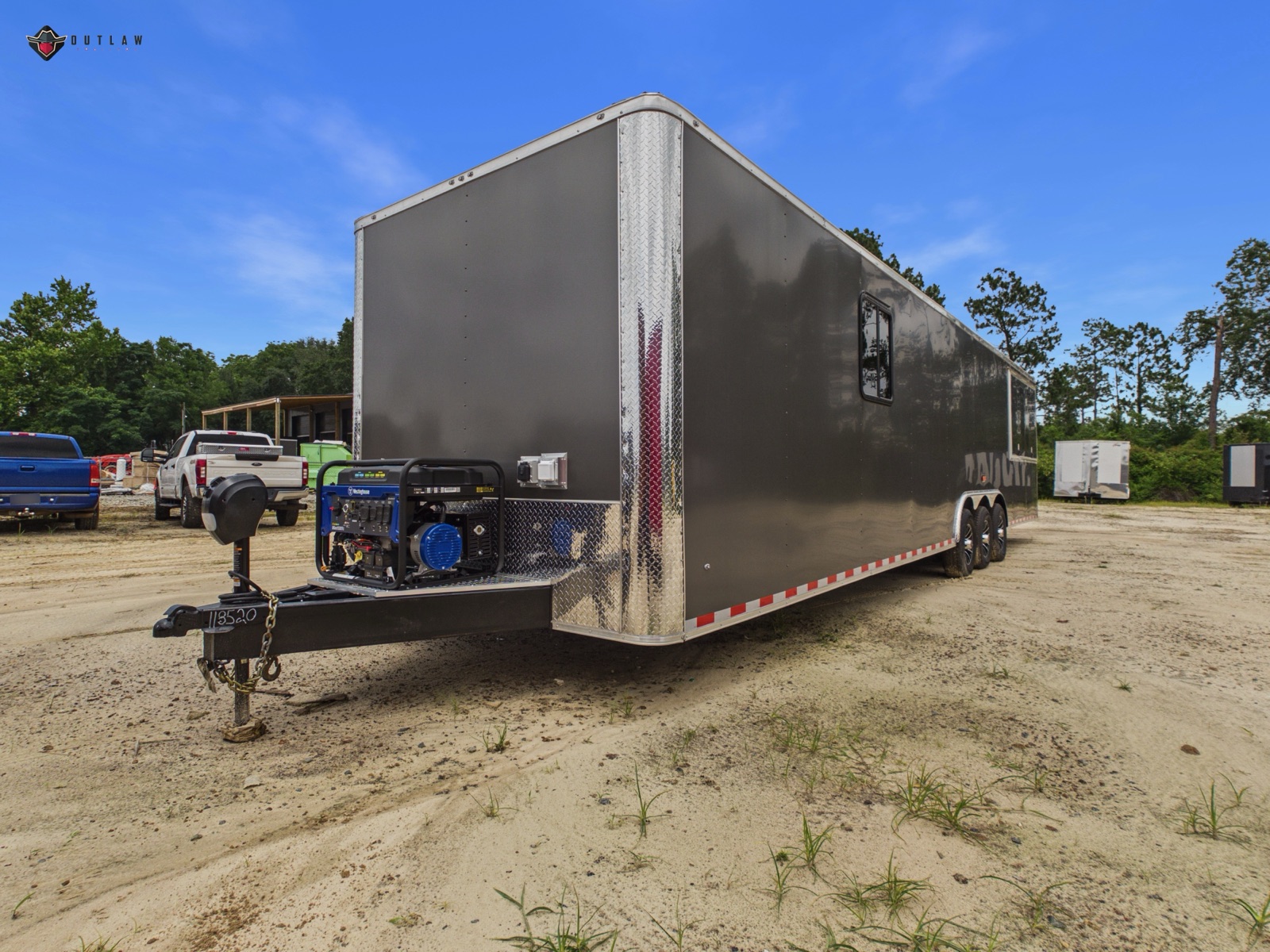
A race-ready trailer may need cabinets, workstations, and generator compartments, while a concession trailer requires sinks, serving windows, electrical systems, and food preparation areas. Meanwhile, motorcycle owners may prioritize tie-down systems and storage solutions.
Many first-time buyers underestimate how much their needs may evolve over time. Thinking beyond your immediate requirements can prevent the need for major trailer modifications later. The more clearly you define your purpose, the easier every other decision becomes.
Trailer Dimensions Affect Functionality and Towing Performance
Trailer size impacts both cargo capacity and towing experience. Length determines how much equipment you can carry, while width affects maneuverability and usable interior space. Height also matters, especially if you plan to stand inside the trailer or install specialized equipment.
Many buyers begin their search by browsing cargo trailers for sale online. While that provides a starting point, standard trailer dimensions may not accommodate your specific needs. Alternatively, a trailer that feels oversized today may become the perfect fit as your business or hobby grows.
Construction Quality Has a Direct Impact on Longevity
Not all enclosed trailers offer the same level of durability. The frame serves as the foundation of the trailer. Strong construction materials and quality workmanship contribute to long-term reliability, especially for customers who travel frequently or haul heavy loads.
Pay close attention to flooring materials, wall construction, roof design, and fastener quality. These small construction details often separate a dependable trailer from one that develops problems after a few years of use.
Look for manufacturers that focus on tough, dependable craftsmanship and quality materials, as those factors often provide more value than simply choosing the lowest-priced trailer available. A trailer built to last generally costs less to own over its lifetime.
Weight Ratings Must Match Your Hauling Requirements
Many first-time buyers focus only on trailer size and overlook weight capacity. Every trailer includes weight ratings that determine how much cargo it can safely carry. Exceeding those limits creates safety concerns and increases wear on both the trailer and the tow vehicle.
Understanding gross vehicle weight rating (GVWR), axle ratings, and payload capacity helps you make an informed purchase. Your calculations should include:
- Cargo weight
- Equipment weight
- Installed accessories
- Fuel and fluids
- Future additions
Choosing a trailer with adequate capacity gives you more flexibility and reduces the likelihood of outgrowing it.
Custom Features Create Better Long-Term Value
Customization often provides the biggest advantage when buying a trailer. Rather than adapting your operation to fit a standard trailer, custom options allow the trailer to support your workflow.
Depending on your needs, customization may include upgraded electrical systems, additional lighting, cabinets, workbenches, air conditioning, sleeping quarters, specialized storage, or concession equipment. When evaluating options, be sure to focus on features that improve daily usability rather than selecting upgrades simply because they sound appealing.
Interior Layout Influences Efficiency During Everyday Use
A well-designed interior can make a significant difference once you begin using the trailer regularly. Storage placement, access points, equipment positioning, and workspace design all affect user convenience. Poor layouts can create frustration every time you load, unload, or work inside the trailer.
Think through your typical day and consider where equipment enters the trailer, where it will be stored, and how often you need access to it. For business applications, workflow becomes especially important. Mobile food operations, pet grooming businesses, and racing teams often benefit from layouts specifically designed around their daily tasks.
Towing Compatibility Should Be Evaluated
A trailer only performs well if your tow vehicle can handle it safely. Check your vehicle's towing capacity and compare it to the fully loaded weight of the trailer. Many buyers calculate empty trailer weight but overlook the impact of cargo, equipment, fuel, and accessories.
Tongue weight also deserves attention, as proper weight distribution contributes to safer handling and improved towing stability. If you plan to travel long distances, evaluate braking systems, hitch requirements, and suspension upgrades as part of the overall package. Matching the trailer to the tow vehicle creates a smoother and safer towing experience.
Working With a Custom Trailer Builder Simplifies the Process
Buying a custom trailer does not have to feel overwhelming. An experienced builder can explain available options, discuss intended use, and recommend configurations that align with your goals. Instead of guessing which features matter most, you can benefit from practical guidance based on real-world trailer applications. This is especially valuable for first-time buyers who may not know which questions to ask.
Outlaw Supercenter builds partnerships with customers throughout the design process. Our team works closely with buyers to understand their vision and create trailers that meet real-world demands. Whether you need a race-ready trailer, a concession setup, or a specialized mobile workspace, we focus on durable construction and dependable performance.
Choose a Trailer That Supports Your Goals
Your first enclosed cargo trailer represents a significant investment. Taking time to review this first-time buyer's guide to custom enclosed cargo trailers and evaluate construction quality, towing requirements, dimensions, customization options, and long-term functionality can lead to a much better outcome.
At Outlaw Supercenter, we know every customer has different needs. That's why we build custom enclosed trailers for racers, concession businesses, motorcycle owners, mobile entrepreneurs, and hardworking professionals across the country. If you're ready to own a trailer built around your specific goals, give us a holler. We'll work with you to create a tough, dependable trailer that's built to last.
Frequently Asked
What should I decide first when buying my first trailer?+
Identify exactly how you plan to use it. Different applications require different layouts, weight capacities, and interior features, and once your purpose is clear every other decision gets easier.
What goes into a trailer's weight calculation?+
Cargo weight, equipment weight, installed accessories, fuel and fluids, and any future additions. Compare that total against the trailer's GVWR, axle ratings, and payload capacity.
Why choose a custom build over a standard trailer?+
A custom build lets the trailer support your workflow instead of forcing you to adapt to a standard layout. Options include upgraded electrical, extra lighting, cabinets, workbenches, air conditioning, sleeping quarters, and specialized storage.
How do I know my truck can pull the trailer?+
Compare your vehicle's towing capacity to the fully loaded trailer weight, not the empty weight, and account for tongue weight, braking systems, hitch requirements, and any suspension upgrades.
Ready to roll?
200+ trailers in stock in Douglas, GA. Financing for all credit types.