DOT Trailer Regulations Every Business Owner Needs To Know
Weight thresholds, registration, USDOT numbers, cargo securement, and driver qualifications. What hauling for work actually obligates you to.
July 5, 2026 · 9 min read
Running a business with a trailer means more than choosing the right equipment. Every trip on public roads comes with legal responsibilities that protect drivers, cargo, and everyone sharing the highway. Understanding federal and state trailer regulations can prevent costly violations, unexpected downtime, and safety risks.
Many business owners assume DOT rules only apply to large commercial trucks. In reality, trailers used for work often fall under regulations based on weight, purpose, and how the vehicle operates. Whether you haul construction equipment, race cars, landscaping tools, or concession supplies, DOT trailer regulations every business owner needs to know should remain part of your regular business planning.
Commercial Trailer Weight Determines Many DOT Requirements
The combined weight of your tow vehicle and trailer often determines which regulations apply. Federal Motor Carrier Safety Administration (FMCSA) rules generally focus on the gross vehicle weight rating (GVWR) and gross combination weight rating (GCWR).
A trailer may seem small, yet its weight rating can place your operation under commercial regulations. Many businesses that tow equipment for work reach important weight thresholds sooner than expected.
If your combined vehicle weight exceeds certain limits or crosses state lines for business purposes, you may need to meet additional requirements involving driver qualifications, inspections, or vehicle markings. State regulations can add another layer of compliance, making it important to understand local laws alongside federal requirements.
Proper Registration and Identification Keep Your Business Compliant
Every trailer used for business must carry proper registration according to state requirements. Commercial registration often differs from personal registration, especially when the trailer generates income or supports business operations.
Some businesses must also display a USDOT number on the tow vehicle when federal regulations apply. Companies operating across state lines frequently encounter these requirements, although some states extend similar rules to businesses operating solely within state borders.
Business owners should regularly verify the following:
- Registration remains current
- License plates stay visible and securely mounted
- Required DOT numbers appear correctly
- Vehicle information matches registration records
- Insurance satisfies commercial requirements
Reviewing these items before busy hauling seasons reduces the chance of avoidable citations during roadside inspections.
Safe Loading Practices Prevent DOT Violations
DOT regulations place significant emphasis on cargo securement. Even a properly built trailer can become unsafe when cargo shifts during transport.
Weight should remain balanced from front to rear while maintaining proper tongue weight. Heavy equipment needs secure tie-down points rated for the cargo being transported. Loose materials require containment that prevents debris from escaping onto roadways.
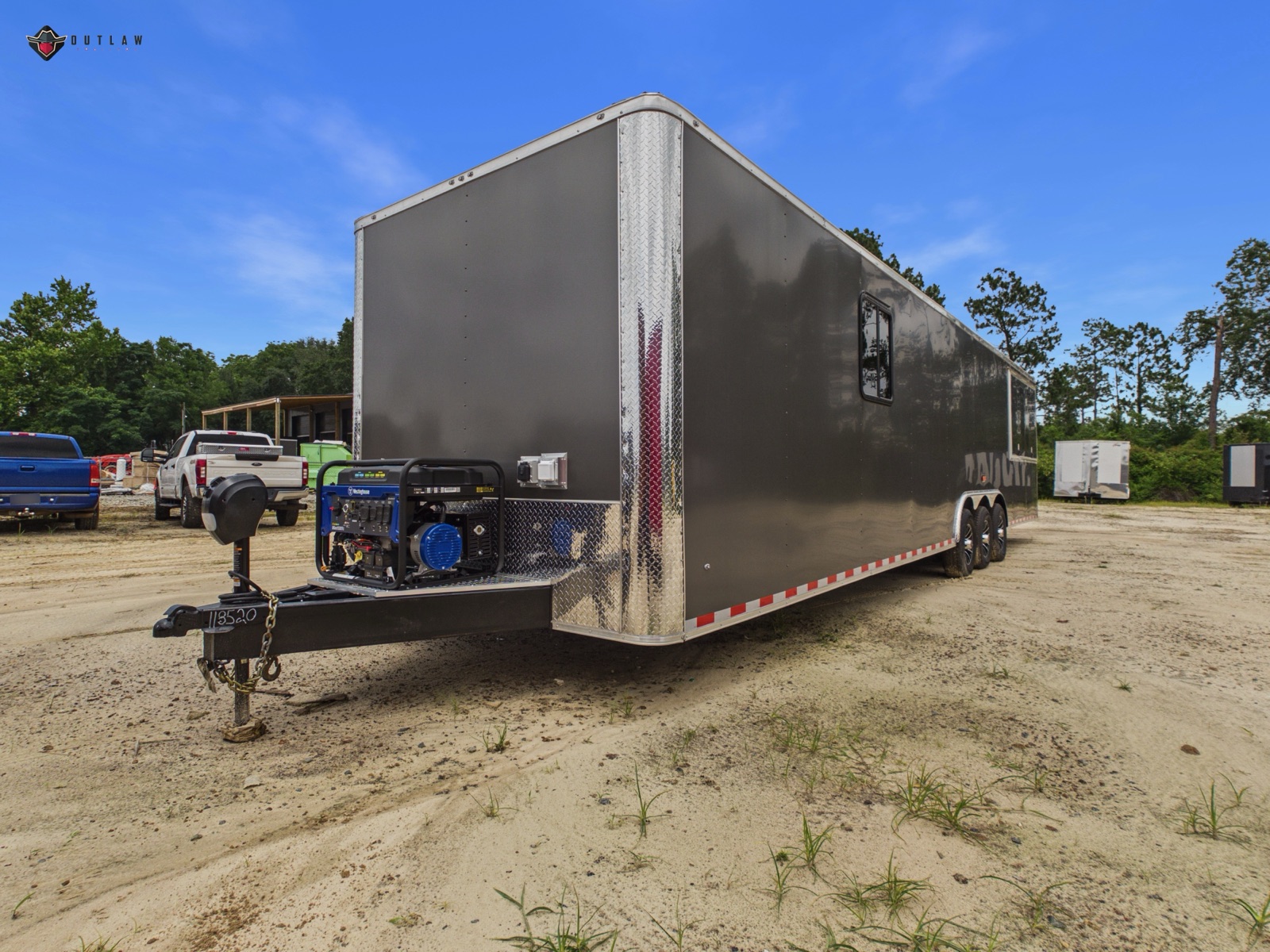
Many businesses choose 7-foot-wide enclosed cargo trailers because they provide generous interior space while protecting valuable equipment from weather and theft. Even inside an enclosed trailer, cargo must remain properly secured to prevent movement during braking, cornering, or sudden stops. Regularly inspecting straps, chains, anchor points, and loading ramps reduces wear-related failures.
Brake and Lighting Systems Must Stay in Working Order
Federal and state regulations require trailers to maintain functional lighting and braking systems. These components allow other drivers to anticipate your movements while providing the stopping power needed for safe towing.
Trailer brake requirements vary based on trailer weight and state law. Electric trailer brakes require periodic adjustment and testing to maintain consistent performance.
Lighting inspections should include brake lights, turn signals, running lights, clearance lights, and reflective markers. Wiring damage often develops gradually through vibration, moisture exposure, and road debris accumulation, making routine inspections worthwhile. A simple pre-departure walk-around can reveal damaged wiring, burned-out bulbs, or brake issues before they create roadside problems.
Regular Inspections Reduce Safety Risks and Downtime
Preventive maintenance supports compliance while extending trailer life. DOT inspections often focus on equipment that directly affects roadway safety.
Business owners should establish inspection schedules covering tires, wheel bearings, suspension components, couplers, safety chains, breakaway systems, flooring, ramps, and structural welds. Identifying minor wear early costs far less than repairing major failures later.
Many commercial operators document maintenance activities even when regulations do not specifically require written records. Organized documentation demonstrates responsible ownership if questions arise during inspections or insurance claims. Consistent maintenance also reduces unexpected downtime that interrupts customer schedules and business operations.
Driver Responsibilities Extend Beyond Towing Skills
Owning a compliant trailer represents only part of the equation. Drivers must understand how DOT regulations affect daily operations.
Depending on vehicle weight and business use, drivers may need medical certifications, commercial driver's licenses, or additional qualifications. Hours-of-service regulations can also apply under certain commercial operating conditions.
Every driver should understand how to:
- Perform a complete pre-trip trailer inspection
- Verify cargo securement
- Check tire condition and pressure
- Confirm brake controller operation
- Inspect lights and safety equipment
Training drivers on these procedures promotes safer travel while reducing preventable violations.
The Right Trailer Supports Long-Term Compliance
Selecting the appropriate trailer simplifies compliance from the beginning. A trailer built for its intended workload experiences less stress and performs more reliably over time.
Business owners should consider cargo weight, axle ratings, frame construction, interior layout, braking systems, and available safety features before making a purchase. Investing in durable equipment often lowers maintenance costs while improving long-term dependability.
Custom-built trailers provide added flexibility for businesses with specialized hauling needs. Whether transporting racing equipment, concession supplies, mobile workstations, or commercial inventory, matching the trailer to the job improves both efficiency and safety. Reliable manufacturers also understand current DOT regulations and can recommend equipment that aligns with commercial hauling requirements.
Staying Current Protects Your Business From Costly Mistakes
DOT regulations continue to evolve as safety standards change. Federal updates, state requirements, and industry best practices may affect businesses differently depending on where they operate and what they transport. Reviewing regulations periodically allows business owners to identify changes before they become expensive compliance issues. Staying informed supports safer operations while protecting your investment in vehicles and equipment.
When purchasing a trailer, working with knowledgeable professionals makes a difference. At Outlaw Supercenter, we build tough, dependable enclosed trailers designed for real-world business demands. Whether you need a standard cargo trailer or a fully customized solution, we'll work alongside you to build equipment that fits your operation.
If you're ready to upgrade your trailer or explore custom options, give us a holler and let our team help you find the right fit for your business. DOT trailer regulations every business owner needs to know begin with dependable equipment built for the work ahead.
Frequently Asked
Do DOT rules apply to small business trailers?+
They can. FMCSA rules generally hinge on gross vehicle weight rating and gross combination weight rating, and many businesses towing equipment for work hit those thresholds sooner than expected.
Do I need a USDOT number to tow a work trailer?+
Some businesses must display a USDOT number on the tow vehicle when federal regulations apply. It comes up most often for companies crossing state lines, though some states extend similar rules to intrastate operations.
What paperwork should I keep current?+
Registration, visible and securely mounted plates, correct DOT numbers, vehicle information matching registration records, and insurance that meets commercial requirements.
What does DOT look at during an inspection?+
Equipment that affects roadway safety: tires, wheel bearings, suspension, couplers, safety chains, breakaway systems, flooring, ramps, structural welds, and working brakes and lighting.
Ready to roll?
200+ trailers in stock in Douglas, GA. Financing for all credit types.