The Cost of Owning an Enclosed Trailer Over Time
The sales agreement is only the starting point. Here is where the real cost of an enclosed trailer comes from — maintenance, towing, tires and brakes, registration, insurance — and how to plan for it.
September 14, 2026 · 6 min read
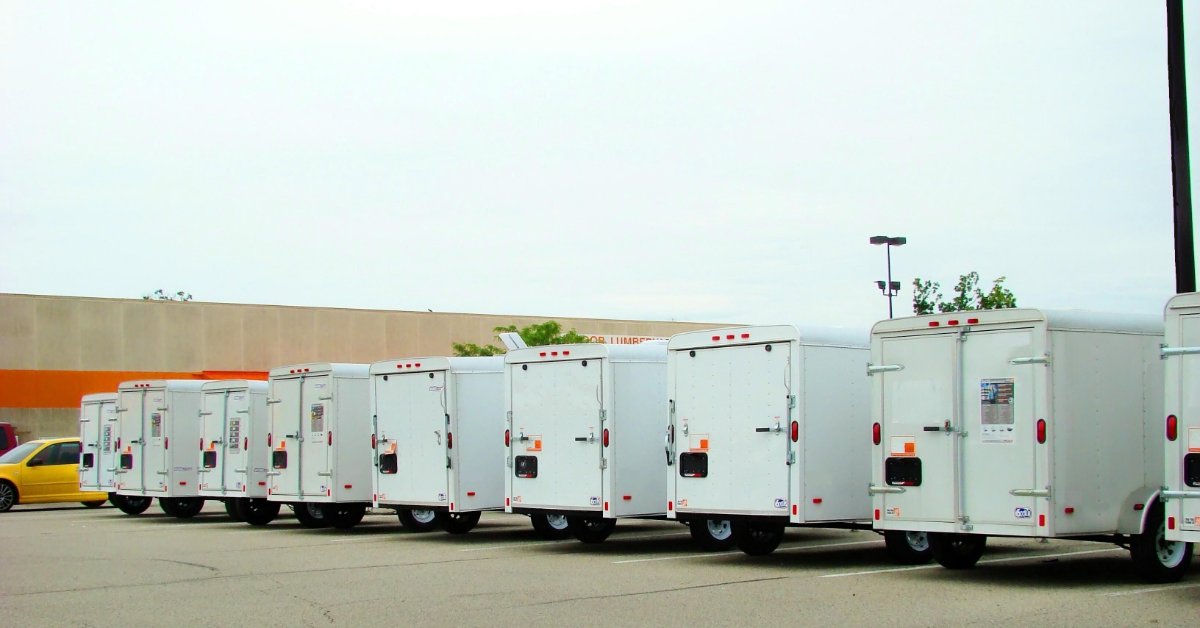
Buying an enclosed trailer means looking beyond the number on the sales agreement. The cost of owning an enclosed trailer over time includes routine maintenance, towing expenses, and repairs that can continue throughout the trailer's working life. Planning for those expenses makes it easier to choose a trailer that fits your immediate needs and long-term budget.
A well-built trailer can serve a business, racing operation, or recreational owner through countless trips when the owner takes care of it. Understanding where ownership costs come from also makes it easier to avoid preventable expenses. Some costs remain predictable, while others depend heavily on mileage, trailer use, and operating conditions.
The Purchase Price Sets the Starting Point
Your initial investment depends on the trailer's size, construction, and intended use. A straightforward cargo hauler has different requirements than a race trailer or concession setup with extensive custom features. Buyers should consider what they actually need instead of focusing solely on the lowest initial price.
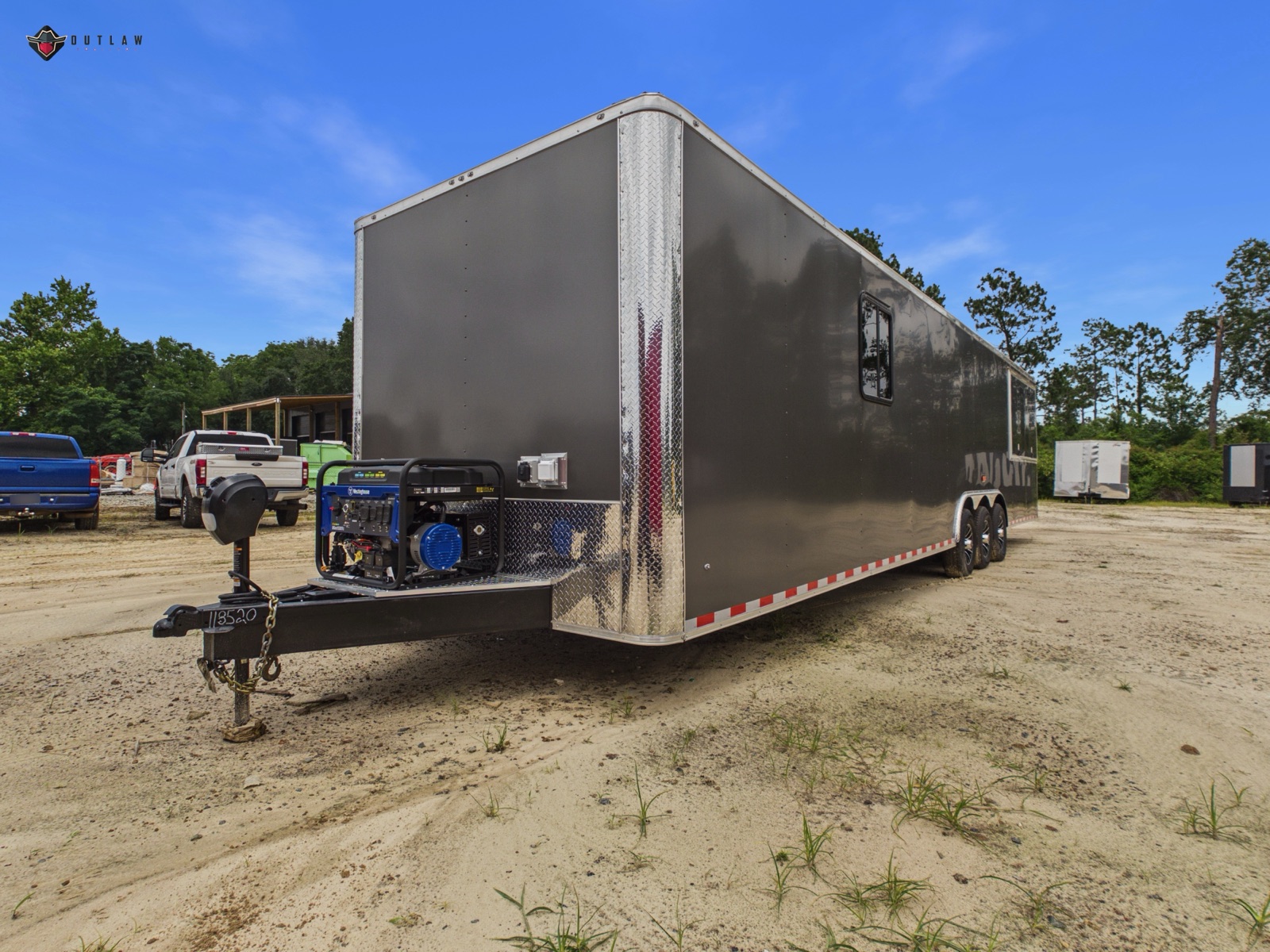
Larger trailers may require a bigger investment because they use more materials and can include heavier-duty components. For example, 8.5-foot-wide enclosed cargo trailers offer substantial room for vehicles, equipment, and specialized layouts. That extra capacity makes sense when the trailer needs to support a demanding workload, but buyers should account for the costs associated with towing and maintaining a larger unit.
Custom features also affect the initial investment. Electrical systems, climate control, cabinets, and other additions turn a standard trailer into a workspace tailored to its owner. Choosing useful features from the beginning may reduce the need for major modifications later.
Routine Maintenance Keeps Long-Term Expenses More Predictable
Regular maintenance represents one of the most consistent costs of trailer ownership. Tires wear down, moving components need attention, and exterior seals can deteriorate after exposure to weather. Staying ahead of those issues reduces the chance that a small problem turns into a more expensive repair.
Owners should base their maintenance schedules on manufacturer recommendations, component specifications, and actual trailer use. A trailer that travels frequently for work or racing may need attention more often than one that spends much of the year parked.
Common maintenance expenses can include:
- Replacing worn or aging tires
- Servicing wheel bearings according to manufacturer recommendations
- Inspecting and maintaining trailer brakes
- Checking lights and electrical connections
- Inspecting roof, door, and window seals
- Repairing damaged flooring or interior surfaces
- Maintaining jacks, hinges, and other moving components
Keeping maintenance records makes this work easier to track. Records also give owners a clearer picture of what they spend as the trailer gets older.
Towing Adds Fuel and Tow Vehicle Expenses
Every mile on the road contributes to the total cost of ownership. Towing additional weight increases fuel consumption compared with driving the tow vehicle without a trailer. Actual fuel use varies based on trailer weight, road conditions, speed, and the tow vehicle itself.
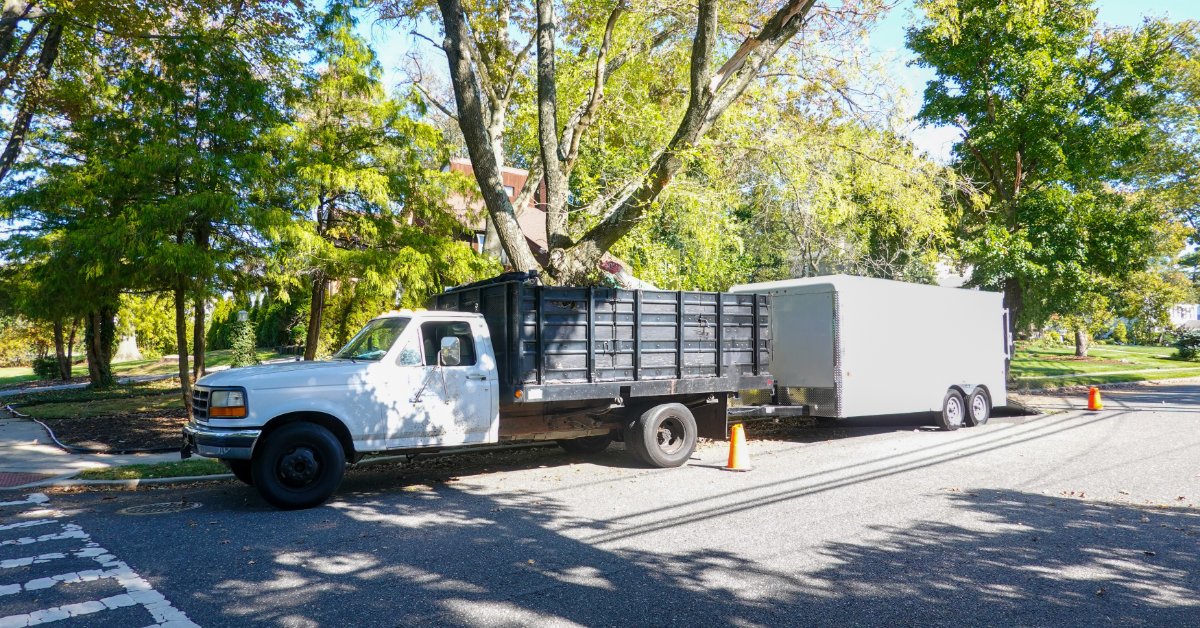
The tow vehicle creates another financial consideration. Owners need a vehicle with appropriate towing capacity for the loaded trailer, and frequent hauling adds mileage and wear to that vehicle. Tires, brakes, and other tow vehicle components may require more attention depending on operating conditions.
Careful loading supports safer, more stable towing. Owners should stay within the rated limits of the trailer, tow vehicle, and related equipment rather than choosing equipment based only on whether the cargo physically fits inside.
Tires, Brakes, and Bearings Require Ongoing Attention
Some trailer components deserve special attention because they directly affect roadworthiness. Tires can age even when tread remains, especially when a trailer spends long periods parked outdoors. Owners should inspect tires for damage, abnormal wear, and other signs that replacement may be necessary.
Brake service adds another recurring expense for trailers equipped with braking systems. The service interval depends on the components and how the trailer gets used, so owners should follow the applicable manufacturer recommendations. Frequent hauling or demanding conditions can increase maintenance needs.
Wheel bearings also need proper inspection and service. Ignoring these components can lead to trouble on the road and potentially greater repair costs. Regular checks give owners an opportunity to address wear before the next long haul.
Registration and Insurance Add to the Annual Budget
Ownership expenses extend beyond maintenance and towing. Depending on where an owner lives and how the trailer gets used, registration fees and other legal requirements can add recurring costs. Requirements vary by jurisdiction, so owners should check with the appropriate state or local agencies for current rules.
Insurance needs vary as well. A business using a trailer commercially may have different considerations than someone hauling recreational equipment. Trailer value, contents, and intended use all influence the coverage an owner chooses.
These expenses deserve a place in the budget even though they do not involve physical upkeep. Factoring them in before buying creates a more complete picture of annual ownership costs.
Quality Construction Influences Long-Term Value
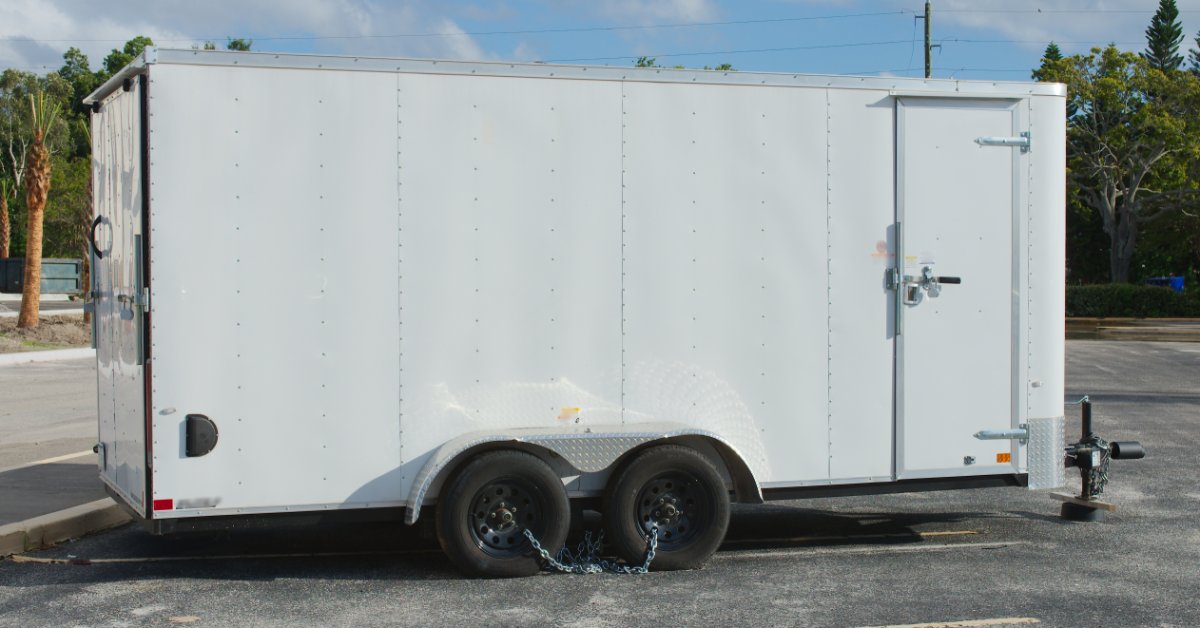
Purchase price tells only part of the financial story. Construction quality affects how a trailer holds up under repeated hauling, loading, and exposure to the elements. Choosing dependable materials and workmanship reduces the likelihood of dealing with avoidable problems caused by poor construction.
The right trailer also needs to match the job. A business owner hauling equipment every week has different demands than someone transporting a motorcycle several times each season. Buying for real-world use prevents owners from paying to correct an unsuitable configuration later.
At Outlaw Supercenter, we focus on custom-built trailers designed around what our customers need to accomplish. Our team works directly with customers to understand their vision and build dependable trailers using quality materials and construction methods. If you're planning your next trailer, give us a holler and talk with our team about a build that fits the work you need to do.
Long-Term Costs Depend on How the Trailer Gets Used
No single ownership figure applies to every enclosed trailer. Size, mileage, and maintenance habits all change what an owner spends. Custom equipment and specialized systems also introduce their own maintenance requirements.
That makes the cost of owning an enclosed trailer over time less about finding one universal dollar amount and more about understanding the expenses that follow the purchase. A dependable trailer that suits its intended workload provides practical value while consistent upkeep protects the investment. Looking at the full ownership picture before buying gives customers a stronger basis for choosing the right enclosed trailer.
Frequently Asked
What are the biggest ongoing costs of owning an enclosed trailer?+
Routine maintenance (tires, wheel bearings, brakes, lights, seals, and moving components), the extra fuel and wear on the tow vehicle, and recurring registration and insurance costs. How much each one adds depends on trailer size, mileage, and how the trailer gets used.
Do trailer tires need replacing even if the tread looks fine?+
They can. Tires age even when tread remains, especially on a trailer that sits parked outdoors for long stretches. Inspect them for damage, abnormal wear, and other signs that replacement may be necessary.
Does a bigger trailer cost more to own?+
Generally, yes. Larger trailers such as 8.5-foot-wide models use more materials, can include heavier-duty components, and add more weight behind the tow vehicle, so budget for the towing and maintenance that come with the extra capacity.
How do I keep long-term trailer costs predictable?+
Follow manufacturer maintenance recommendations, base the schedule on how often the trailer actually travels, stay within rated weight limits, and keep maintenance records so you can see what the trailer costs as it ages.
Ready to roll?
200+ trailers in stock in Douglas, GA. Financing for all credit types.