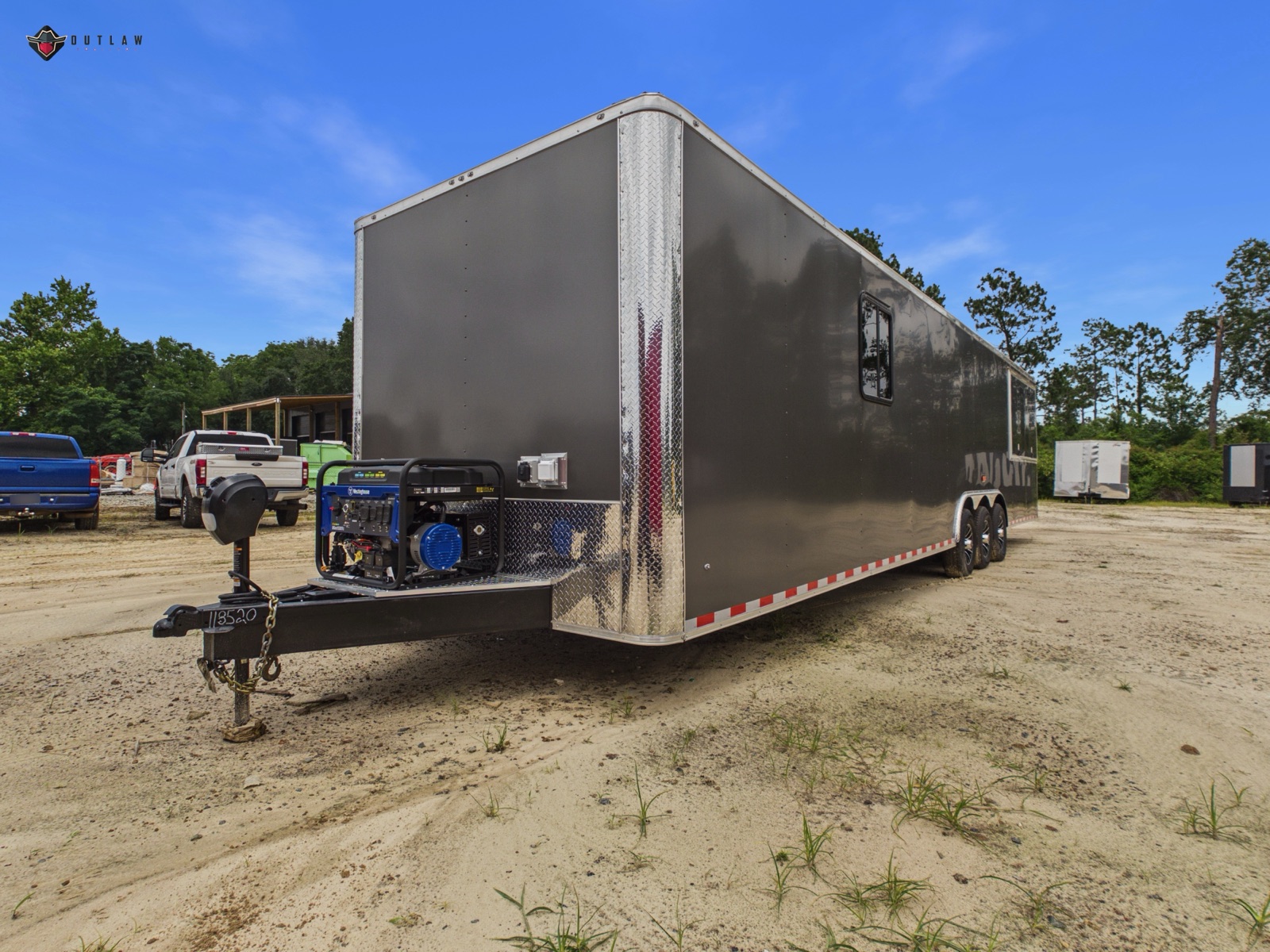
Pre-Trip Checklist for Long-Distance Enclosed Trailer Hauling
A few minutes of inspection before departure prevents breakdowns, cargo damage, and costly delays. Here is the full pre-trip run-down for long hauls.
August 6, 2026 · 8 min read
Long trips with an enclosed trailer demand more preparation than a quick drive across town. A few minutes spent checking equipment before departure can prevent breakdowns, cargo damage, and costly delays on the road. Whether you haul race cars, motorcycles, concession equipment, or business inventory, preparation starts long before you pull onto the highway.
A thorough pre-trip checklist for long-distance enclosed trailer hauling keeps your trailer operating properly and protects the investment riding inside. Taking the time to inspect critical components allows you to travel with fewer surprises and spend more time focused on the destination.
Tire Condition and Inflation Prevent Problems
Trailer tires handle tremendous stress during extended highway travel. Heat, road conditions, cargo weight, and speed all affect tire performance over long distances.
Begin every trip by checking the tire pressure against the manufacturer's recommended specifications. Underinflated tires create excess heat and wear, while overinflated tires can reduce traction and create a rougher ride.
Inspect each tire for uneven tread wear, sidewall cracking, punctures, or visible damage. Don't forget to examine the spare tire as well, since a spare does little good if it sits flat when you need it. Pay close attention to tire age, as even tires with good tread eventually deteriorate. Trailer owners should replace aging tires before they become a risk on the road.
Brake Systems Need Full Inspection Before Departure
Trailer brakes serve as one of the most important safety systems on any towing setup. Long-distance routes may include steep grades, stop-and-go traffic, and unexpected braking situations.
Test the electric brakes before loading the trailer. Verify that the brake controller communicates properly with the trailer and responds smoothly during operation. Inspect wiring connections for corrosion, damage, or loose fittings. If your trailer uses breakaway systems, confirm that the battery remains charged and the switch functions correctly.
Listen for unusual sounds when testing the brakes. Grinding, dragging, or inconsistent braking often signals maintenance needs that require attention before the trip begins.
Proper Cargo Placement Creates Better Stability on the Road
Even the best trailer can become difficult to tow when cargo sits improperly inside. Weight distribution directly affects trailer handling, braking, and overall towing performance. Position heavier items low and near the trailer's axle area whenever possible, and secure all cargo so it cannot shift during acceleration, cornering, or sudden stops.
Owners of race-ready trailers often transport expensive vehicles and equipment. Proper weight balance protects both the trailer and valuable cargo throughout the journey. For many operators, including those using 6-foot-wide enclosed cargo trailers for motorcycles, equipment, or small business deliveries, smart cargo placement becomes especially important because available space requires careful organization.
Lighting and Electrical Connections Keep You Visible
Other drivers rely on trailer lighting to understand your intentions. A malfunctioning light can create confusion and increase accident risk.
Before leaving, connect the trailer and verify operation of all electrical components, including:
- Running lights
- Brake lights
- Turn signals
- Reverse lights, if equipped
- Clearance lights
- Interior trailer lighting
- License plate lights
Check the trailer plug for corrosion or bent pins, and inspect the wiring along the frame for abrasion or exposed sections. Completing this inspection before every trip takes only a few minutes and can eliminate major headaches on the road.
Hitch Components Must Work Together Correctly
The connection between the tow vehicle and the trailer deserves careful attention before every long-distance haul. Start by confirming that the hitch ball matches the trailer coupler size. Lock the coupler securely and verify full engagement before travel.
Inspect the safety chains for wear, rust, or damage. Cross the chains beneath the tongue and confirm adequate length without allowing them to drag. Check the breakaway cable separately from the safety chains; it should connect directly to the tow vehicle and remain free from tangles.
If your setup uses weight-distribution equipment, inspect the spring bars, brackets, and attachment points. Properly functioning hitch components contribute to safer towing and improved vehicle control.
Trailer Structure and Exterior Components Need Attention
Road vibrations can loosen hardware over time. A visual inspection of the trailer exterior allows you to identify potential issues before they become roadside repairs. Walk around the trailer and examine the doors, hinges, latches, ramps, and roof seams. Verify that all doors close securely and seals remain intact.
Look for signs of water intrusion, damaged trim, loose fasteners, or cracked welds, as these small issues can become larger problems during extended travel. Pay attention to the fenders, jack assemblies, and exterior storage compartments. These areas frequently experience wear from highway miles and changing weather conditions.
Route Planning Reduces Unexpected Delays
Preparation extends beyond the trailer itself. Smart route planning contributes significantly to a successful trip. Review weather forecasts along your entire route before departure, as strong winds, heavy rain, and extreme temperatures can affect towing conditions.
Identify fuel stops, rest areas, and overnight parking locations in advance. Drivers hauling valuable equipment often prefer secured parking options whenever available.
Know the trailer's height and verify clearance requirements along the route. Low bridges, construction zones, and restricted roads can create unnecessary detours. Many experienced haulers include route preparation as part of their regular pre-trip checklist for long-distance enclosed trailer hauling because it reduces uncertainty and improves travel efficiency.
Emergency Equipment Provides Backup When Needed
Even well-maintained trailers occasionally encounter unexpected situations. Carrying essential emergency supplies prepares you for common roadside issues. A properly stocked kit should include basic hand tools, wheel chocks, a tire pressure gauge, spare fuses, work gloves, reflective triangles, and a quality flashlight.
Many trailer owners also carry spare electrical connectors, extra tie-down straps, and replacement hitch pins. These small items occupy very little space but can save valuable time during a trip.
A Final Walk-Around Confirms Everything Is Ready
The last few minutes before departure can reveal details that previous inspections miss. Perform one final walk-around after loading cargo and connecting the trailer. Check door latches, tie-downs, lighting, coupler engagement, safety chains, and tire condition one more time.
Look underneath the trailer for fluid leaks, hanging wires, or other concerns, and verify that jacks, ramps, and accessories sit securely in their travel positions. This final review creates an opportunity to catch small issues before they become major interruptions miles down the highway.
Take Trips With a Trailer You Can Depend On
Long-distance hauling places significant demands on both trailers and tow vehicles. Consistent inspections, proper loading practices, and careful preparation can make every trip smoother and safer.
At Outlaw Supercenter, we build custom enclosed trailers designed for real-world hauling needs. Whether you want a race-ready trailer, concession trailer, motorcycle hauler, or fully customized solution, we work closely with you to create a trailer built to last. If you're planning your next trailer purchase or custom build, give us a holler and let our team help you find the right fit for the road ahead.
Frequently Asked
What should I check first before a long trailer haul?+
Start with the tires. Check pressure against the manufacturer's specification, inspect every tire for uneven tread wear, sidewall cracking, punctures, or damage, and don't skip the spare.
How should I load cargo for a long-distance trip?+
Position heavier items low and near the trailer's axle area whenever possible, and secure everything so it cannot shift during acceleration, cornering, or sudden stops.
What lights do I need to verify before leaving?+
Connect the trailer and confirm running lights, brake lights, turn signals, reverse lights if equipped, clearance lights, interior lighting, and license plate lights all work. Check the plug for corrosion or bent pins.
What emergency equipment should I carry?+
Basic hand tools, wheel chocks, a tire pressure gauge, spare fuses, work gloves, reflective triangles, and a flashlight. Many owners also carry spare electrical connectors, extra tie-down straps, and replacement hitch pins.
Ready to roll?
200+ trailers in stock in Douglas, GA. Financing for all credit types.