Gooseneck vs Bumper Pull Trailers: A Full Comparison
Goosenecks haul more and tow steadier, bumper pulls are simpler and hitch to almost anything. Here is the full comparison to help you pick the right heavy-haul setup.
June 18, 2026 · 8 min read
Once you start hauling serious weight, the conversation shifts from trailer size to hitch type. The two big players are the gooseneck and the bumper pull. They connect to your truck in completely different ways, and that difference changes how much you can haul, how the rig handles, and even where you can park. If you are weighing a heavy-haul purchase, this is the comparison you need to understand before you buy.
The Core Difference: Where the Trailer Connects
A bumper pull trailer hitches to a ball mounted at the rear of your tow vehicle, behind the bumper. This is the standard, familiar setup that the vast majority of trailers use. If you have ever backed a utility trailer or an enclosed cargo trailer into a driveway, you have towed a bumper pull.
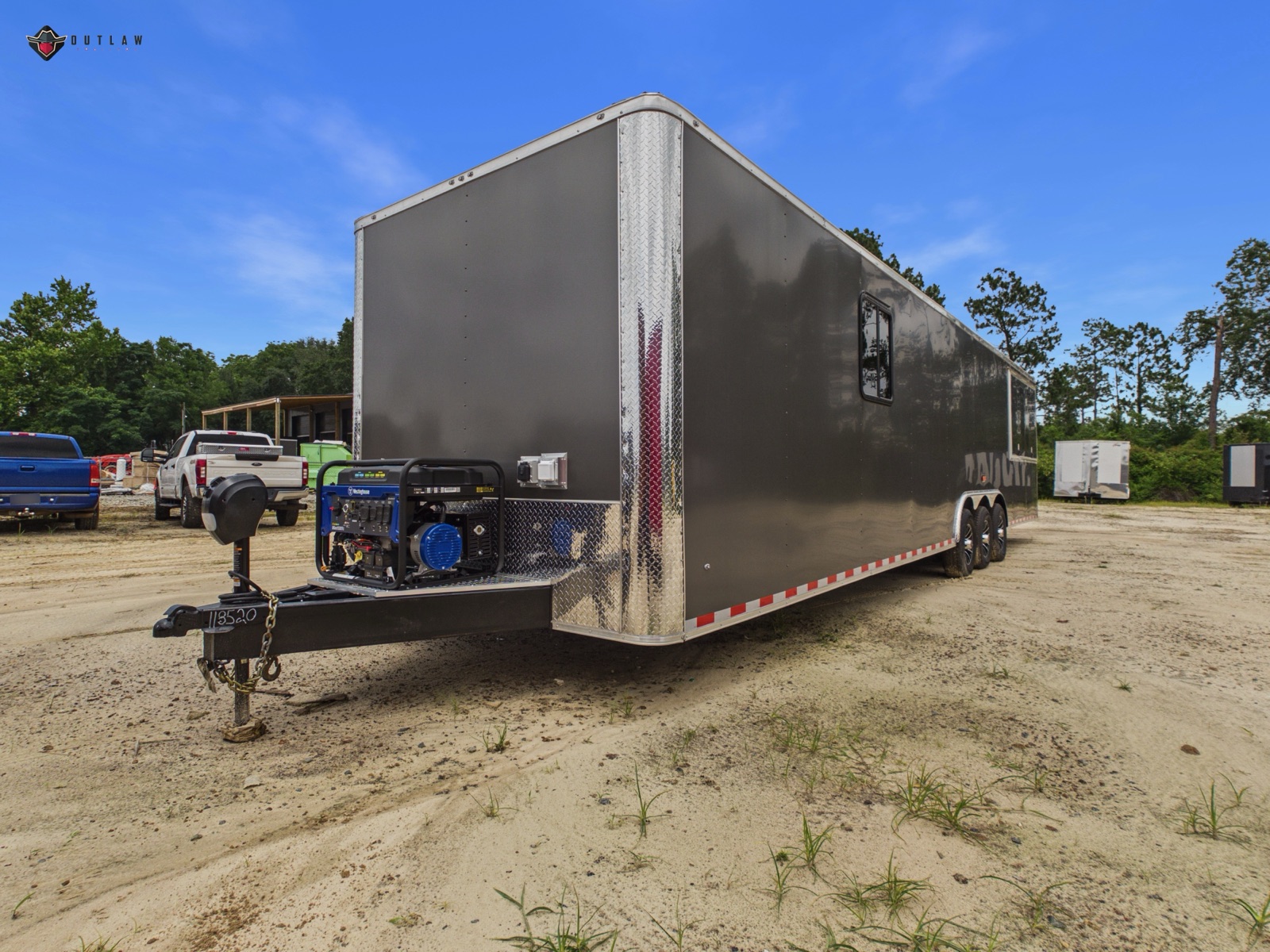
A gooseneck trailer connects to a ball or coupler mounted in the bed of a pickup truck, right over or just ahead of the rear axle. That single change, moving the connection from behind the truck to over the axle, is what unlocks the gooseneck's advantages in capacity and stability. It also means goosenecks are strictly a pickup-truck deal, since you need a bed to mount the hitch.
Towing Capacity and Stability
This is where the gooseneck earns its reputation. Because the trailer's weight sits over the truck's rear axle instead of hanging off the back bumper, a gooseneck can carry dramatically more weight. The load pushes down through the strongest part of the truck rather than levering on the rear end. Heavy-haul goosenecks routinely handle loads that would overwhelm any bumper pull.
That placement also makes goosenecks noticeably more stable. The pivot point is up in the bed, so the trailer is far less prone to sway at highway speed, even under heavy or tall loads. Bumper pulls tow perfectly well within their ratings, but at the heaviest end they are more sensitive to sway, crosswinds, and passing traffic.
If you are hauling near the top of what a bumper pull can do, stepping up to a gooseneck usually means a steadier, safer ride and real capacity to spare.
Turning and Maneuverability
Goosenecks have a big advantage in tight spaces, and it surprises people. Because the connection sits over the rear axle, a gooseneck can turn much sharper, you can practically jackknife it without hitting the cab, and it backs into tight spots with more control. For anyone maneuvering in and out of job sites, farms, or crowded lots, that tighter turning radius is a daily benefit.
Bumper pulls turn like most people are used to, which is fine, but the connection behind the bumper limits how sharply you can angle before the trailer contacts the truck. For everyday driveways and open lots it is a non-issue, but in tight quarters the gooseneck clearly wins.
Hitch Setup and Your Vehicle
Here is where the bumper pull pulls ahead. A bumper pull needs only a standard rear hitch and ball, which nearly every truck and SUV can have. That makes bumper pulls flexible: you can tow them with all kinds of vehicles, swap between trailers easily, and keep your truck bed completely open for cargo.
A gooseneck requires a hitch installed in the bed of a pickup, which is an added cost and takes up bed space when the trailer is attached. You are also locked into towing with that truck. For folks who tow heavy often, that is a fair trade. For occasional haulers with a variety of loads and vehicles, the bumper pull's simplicity is a real plus.
- Bumper pull: standard rear hitch, tows with most trucks and SUVs, keeps the truck bed open, easy to swap trailers
- Gooseneck: in-bed hitch required, pickup only, uses bed space, but far higher capacity and stability
Cost Considerations
Bumper pull trailers generally cost less up front and do not require a special hitch install, so the total cost to get on the road is lower. Goosenecks cost more for the trailer itself and add the price of the in-bed hitch, but you are buying serious capacity and stability that a bumper pull cannot match at the heavy end.
Whichever way you lean, financing for all credit types is available at Outlaw Supercenter, so a heavy-haul gooseneck does not have to be out of reach if it is the right tool for your work.
Which One Is Right for You?
Work through it like this:
- 1How heavy do you haul? If your loads run heavy or you regularly move equipment and machinery, a gooseneck's capacity and stability are hard to beat.
- 2What do you tow with? If you tow with a variety of vehicles or want your truck bed free, a bumper pull keeps you flexible. A gooseneck commits you to one pickup with an in-bed hitch.
- 3Where do you maneuver? Tight job sites and farms favor the gooseneck's sharp turning. Open driveways and lots make a bumper pull perfectly practical.
- 4What is your budget? Bumper pulls cost less to get rolling. Goosenecks cost more but deliver capacity that pays off when the loads are big.
For most general hauling, a good tandem axle bumper pull is all the trailer you will ever need. When the loads get heavy and the stability matters, the gooseneck is the clear move. At Outlaw Supercenter in Douglas, Georgia we carry both, including heavy-haul goosenecks built for real weight. Browse the inventory online or call us at (800) 281-5084 and we will help you match the hitch type to your truck and your load.
Frequently Asked
Can a gooseneck trailer haul more than a bumper pull?+
Yes, significantly. Because a gooseneck connects over the truck's rear axle instead of behind the bumper, the load rides on the strongest part of the truck. That lets goosenecks carry much heavier loads and tow more stably than any bumper pull.
What vehicle do I need to tow a gooseneck?+
You need a pickup truck with a gooseneck hitch installed in the bed, and the truck must be rated to handle the loaded trailer weight. Goosenecks cannot be towed by SUVs or vehicles without a bed, which is why bumper pulls are more flexible for everyday towing.
Are goosenecks harder to back up than bumper pulls?+
Actually, most people find goosenecks easier to back into tight spots. Because the connection sits over the rear axle, a gooseneck turns much sharper and gives you more control when backing, which is a real advantage on job sites and farms.
Is a bumper pull trailer good enough for most people?+
For general hauling, yes. A quality tandem axle bumper pull handles the vast majority of cargo, equipment, and moving needs, costs less, and tows with most trucks and SUVs. Step up to a gooseneck only when your loads get heavy enough to need the extra capacity and stability.
Ready to roll?
200+ trailers in stock in Douglas, GA. Financing for all credit types.