Best Practices for Loading Equipment Into Enclosed Trailers
Ramps, weight balance, spotters, and tie-downs. The loading habits that keep heavy equipment where you put it from the first mile to the last.
July 9, 2026 · 8 min read
Loading heavy equipment into an enclosed trailer requires more than driving up a ramp and heading down the road. Every step, from choosing the right loading surface to securing the final tie-down, affects safety, trailer performance, and equipment protection. Whether you haul construction equipment, landscaping machinery, powersports vehicles, or commercial tools, following proven loading practices reduces risks.
Many trailer owners focus on towing but overlook the loading process. Improper weight placement, unsecured cargo, and rushed preparation can damage equipment and create dangerous driving conditions. Best practices for loading equipment into enclosed trailers begin long before the equipment reaches the trailer, and careful preparation means a safer trip and protects your investment.
Proper Preparation Creates a Safer Loading Process
Before loading begins, inspect both the trailer and the equipment. Confirm that the trailer's gross vehicle weight rating (GVWR) supports the combined weight of the trailer, equipment, fuel, and accessories. Verify that tires have the correct air pressure and inspect them for signs of wear or damage.
Next, examine the loading ramps. They should support the equipment's weight and sit firmly against the trailer without shifting. Place the trailer on level, solid ground before lowering the ramps, and connect the trailer securely to the tow vehicle and engage the parking brake. Chock the trailer wheels to prevent movement while loading. Taking a few extra minutes to do this before loading reduces the chance of accidents and creates a much more controlled environment.
The Right Trailer Size Makes Loading Easier
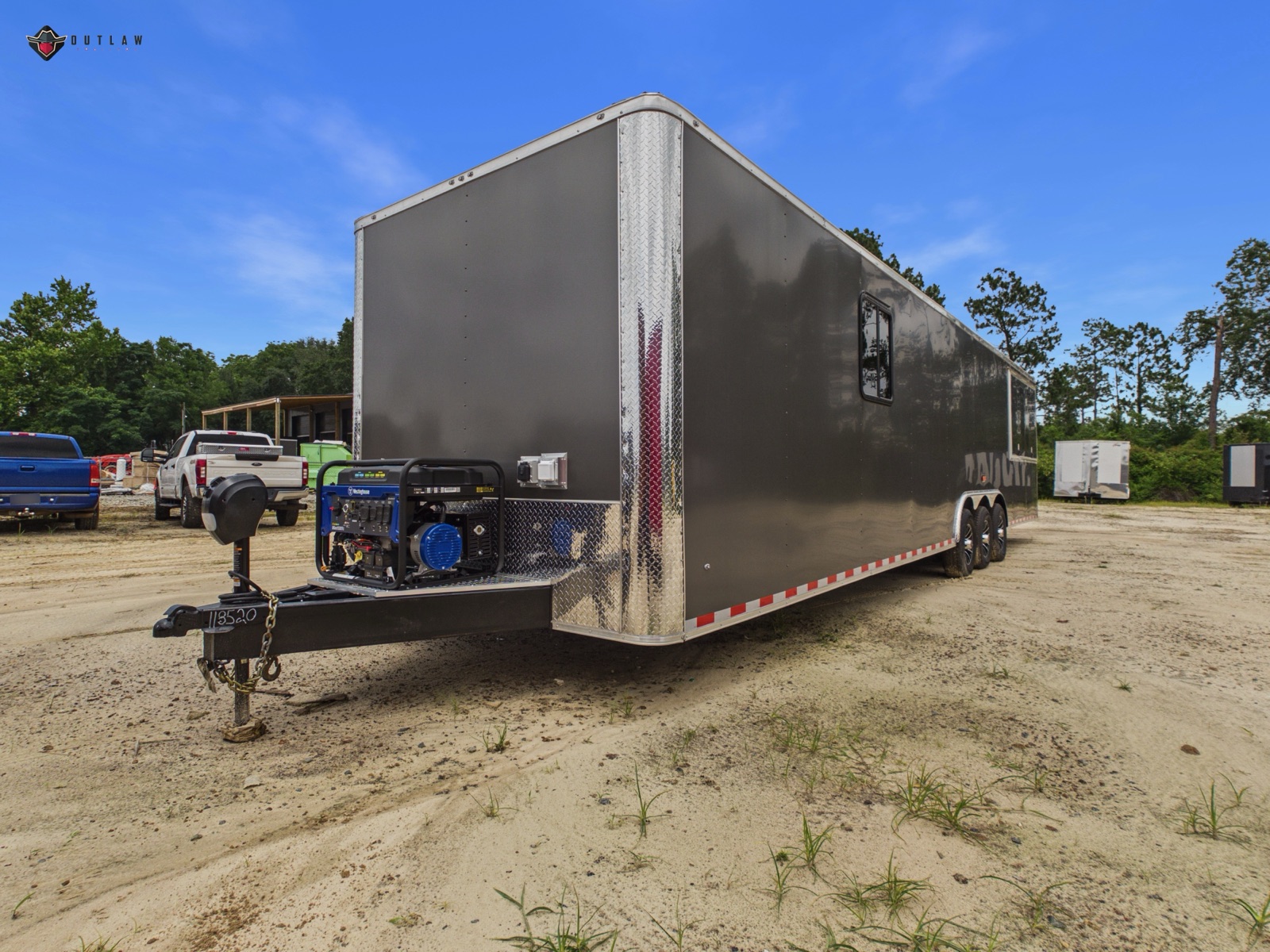
Heavy equipment needs adequate room for safe positioning. A trailer that barely fits the machine leaves little space to adjust weight or access tie-down points. Many owners choose 8.5-foot-wide enclosed cargo trailers because the additional width provides more maneuvering room for larger equipment. Operators can center equipment more easily while maintaining safe clearance along both walls. The extra interior space also allows room for storage cabinets, spare parts, or accessories without interfering with the primary cargo.
Trailer length matters as much as width. A properly sized trailer allows you to position equipment over the axles instead of forcing weight too far forward or behind the axle group.
Weight Distribution Improves Towing Stability
Correct weight distribution remains one of the most important parts of loading heavy equipment, as even a well-built trailer can become difficult to tow when cargo sits in the wrong location. Aim for proper tongue weight according to your trailer manufacturer's recommendations, which commonly falls around 10 to 15 percent of the total loaded trailer weight. Too little tongue weight can cause trailer sway, while excessive tongue weight can overload the tow vehicle's rear suspension.
As you position equipment, avoid placing all the weight against the front wall or directly at the rear door. Instead, center the heaviest portion of the load over or slightly ahead of the trailer axles. Balanced loading improves steering response, braking performance, and overall towing comfort.
Slow, Controlled Loading Protects Equipment and Trailers
Loading heavy machinery demands patience. Fast loading increases the chance of slipping off ramps or striking trailer walls. Line the equipment up carefully before climbing the ramps. Maintain a slow, steady speed throughout the loading process without sudden acceleration or braking, and keep attachments low whenever possible to maintain a lower center of gravity. If the equipment has tracks, clean away mud or rocks before loading since debris can reduce traction on ramps and damage the trailer floor over time.
Visibility also matters. If your view becomes restricted while loading, ask a trained spotter to communicate with clear hand signals from a safe location. Good communication prevents costly mistakes without creating distractions, and small adjustments during loading often prevent expensive repairs later.
Proper Tie-Down Methods Keep Equipment Secure
Loading does not end when the equipment reaches its parking position. Securing the cargo correctly protects both the equipment and everyone sharing the road. Use heavy-duty ratchet straps or transport chains that meet or exceed the equipment's weight requirements. Attach them only to approved anchor points on both the trailer and the equipment, and avoid wrapping straps around hydraulic hoses, steering components, or delicate parts.
Crossing front and rear tie-downs increases stability during braking and cornering. After tightening every connection, inspect each attachment point for movement. Remember that cargo naturally settles during travel, so stop after the first several miles to inspect every strap, chain, and binder before continuing your trip. Consistent inspections throughout longer trips reduce the chance of loose equipment shifting inside the trailer.
Weather and Road Conditions Require Extra Attention
Loading safely becomes even more important when weather conditions change. Rain can make ramps slippery, while snow and ice create additional hazards for both operators and equipment. Wet equipment may also drip fluids onto trailer floors, reducing traction during loading. Strong winds deserve attention as well. Large trailer doors can catch the wind unexpectedly during loading and unloading, so be sure to secure doors properly before moving equipment inside.
Road conditions affect the load after departure. Rough pavement, construction zones, and uneven terrain place additional stress on tie-downs. Periodic inspections during travel remain one of the simplest ways to prevent problems before they become serious.
Regular Trailer Maintenance Supports Safe Loading
Even perfect loading techniques cannot compensate for neglected equipment. Inspect trailer flooring regularly for soft spots, cracks, or loose fasteners. Examine D-rings, E-track systems, and other anchor points for wear or corrosion. Lubricate hinges, ramps, and door hardware so they operate smoothly during loading.
Brakes, suspension components, bearings, and lights deserve routine maintenance as well because a dependable trailer performs better during loading and throughout every mile on the road. Preventive maintenance protects your trailer while extending its working life.
Quality Custom Trailers Simplify Heavy Equipment Hauling
Every business hauls different equipment, which means one trailer configuration will not fit every application. Contractors, landscapers, race teams, and equipment operators often benefit from trailers designed around their specific needs. Features such as reinforced flooring, upgraded ramp systems, additional tie-down locations, interior lighting, and custom storage can make loading safer and more efficient. Selecting the right trailer configuration from the beginning saves time while reducing wear on both equipment and the trailer itself.
When you follow best practices for loading equipment into enclosed trailers, the trailer becomes more than transportation. It becomes an important part of protecting valuable equipment and supporting productive workdays.
At Outlaw Supercenter, we build dependable custom enclosed trailers that match the way you work. Whether you need additional cargo space, reinforced construction, or specialized features for heavy equipment, we'll work with you to build a trailer that's tough and reliable. Contact us today for a free quote and let us show you how the right custom trailer can make every haul safer and more efficient. Give us a holler!
Frequently Asked
What should I do before driving equipment onto the ramps?+
Confirm the trailer's GVWR covers the combined weight, check tire pressure and condition, park on level solid ground, connect to the tow vehicle, engage the parking brake, and chock the trailer wheels.
Where should the heaviest part of the load sit?+
Over or slightly ahead of the trailer axles. Avoid pushing all the weight against the front wall or the rear door, and keep tongue weight around 10 to 15 percent of the loaded trailer weight.
How should equipment be tied down?+
Use heavy-duty ratchet straps or transport chains rated at or above the equipment's weight, attach only to approved anchor points, cross the front and rear tie-downs, and never wrap straps around hydraulic hoses or steering components.
Do I need to re-check straps after leaving?+
Yes. Cargo settles during travel, so stop after the first several miles and inspect every strap, chain, and binder before continuing, then repeat periodically on longer trips.
Ready to roll?
200+ trailers in stock in Douglas, GA. Financing for all credit types.